Find examination of eyes. search a wide range of information from across the web with allinfosearch. com. Search results at immediateinfo. com for eyes exam near you! search eyes exam. find eyes exam here!.
What Not To Do After Eye Dilation All About Vision
Dilated Eye Exam Eye Dilation Procedure Washington Eye
Pupil dilation is performed to purposefully increase the size of the pupils during an eye exam so that the eye doctor can fully examine the health of the optic nerve and retina. the exam is critical to preventing and treating eye conditions that could potentially lead to vision loss. A thorough, dilated exam allows your ophthalmologist to do a complete exam of the retina, and that is important to do throughout your life, as several eye diseases and conditions are detected at their earliest stages during a thorough eye exam:. Feb 27, 2017 pupil dilation is performed to purposefully increase the size of the pupils during an eye exam so that the eye doctor can fully examine the .
Eye dilation: necessary with every eye exam? mayo clinic.
Mar 05, 2014 8:00 am. author: virginia rainey a thorough, dilated exam allows your ophthalmologist to do a complete exam of the retina, and that is important to do throughout your life, as several eye diseases and conditions are detected at their earliest stages during a thorough eye exam:. During a dilated exam, your doctor can spot problems like a torn or detached retina or an eye tumor. they can also diagnose and monitor common eye diseases that can take away your eyes dilated during eye exam sight: diabetic.
Pupil dilation test: why a dilated eye exam is important.
May 25, 2021 having your eyes dilated during an eye exam may seem like a nuisance. but when you consider the benefits of a dilated eye exam, . Typically, your pupils will automatically constrict (get smaller) in sunlight to make uv damage less likely. but after a dilated eye exam, your eyes can't enact . After a dilated eye exam, your pupils will normally remain open for about three to four hours, sometimes longer. the time eyes remain dilated varies according to the type of drops used, as well as the color of your eyes. by and large, dark-colored eyes have shorter dilation periods, typically for two to four hours, while light-colored eyes may.
Why do my pupils need to be dilated during an eye exam? the retina is the only place in the human body where blood vessels and neural tissue can be directly . Dilation is often a normal part of an eye exam for people who wear glasses or contacts. but if you’re young and your eyes are healthy, you may not need it every time. your doctor also may be able. Search for eye exam here. find eye exam here with us!. You may have heard the term “dilation” being used by your eye doctor or other patients who have had their eyes dilated during an exam. the dilation of your .

A dilated eye exam at access eye is eyes dilated during eye exam simple and painless. our doctors use special eyedrops to dilate your pupils. the pupil is the black opening in the center of . Eye dilation as a treatment. dilating the eyes may benefit certain eye conditions, such as lazy eye and inflammation in the eye. when used as a treatment, the same eye drops used to dilate your eyes during an examination are used. the overall process is the same. dilation is usually done as part of a comprehensive eye examination. But in general, your eyes will begin to dilate roughly 15 to 30 minutes after dilating eye drops are placed into your eyes. your ophthalmologist or optometrist . May 12, 2020 if you have ever wondered why your eye doctor sometimes dilates your eyes during an eye exam, we've got the answers you've been looking for.
Typically, your pupils will automatically constrict (get smaller) in sunlight to make uv damage less likely. but after a dilated eye exam, your eyes can’t enact this natural self-defense mechanism. don't stare at digital screens: blue light emitted from electronic screens can contribute to digital eye strain. until your pupils return to. Jul 12, 2018 eye dilation is a common procedure that can help your doctor better if your eyes are dilated during your annual exam, your doctor will .

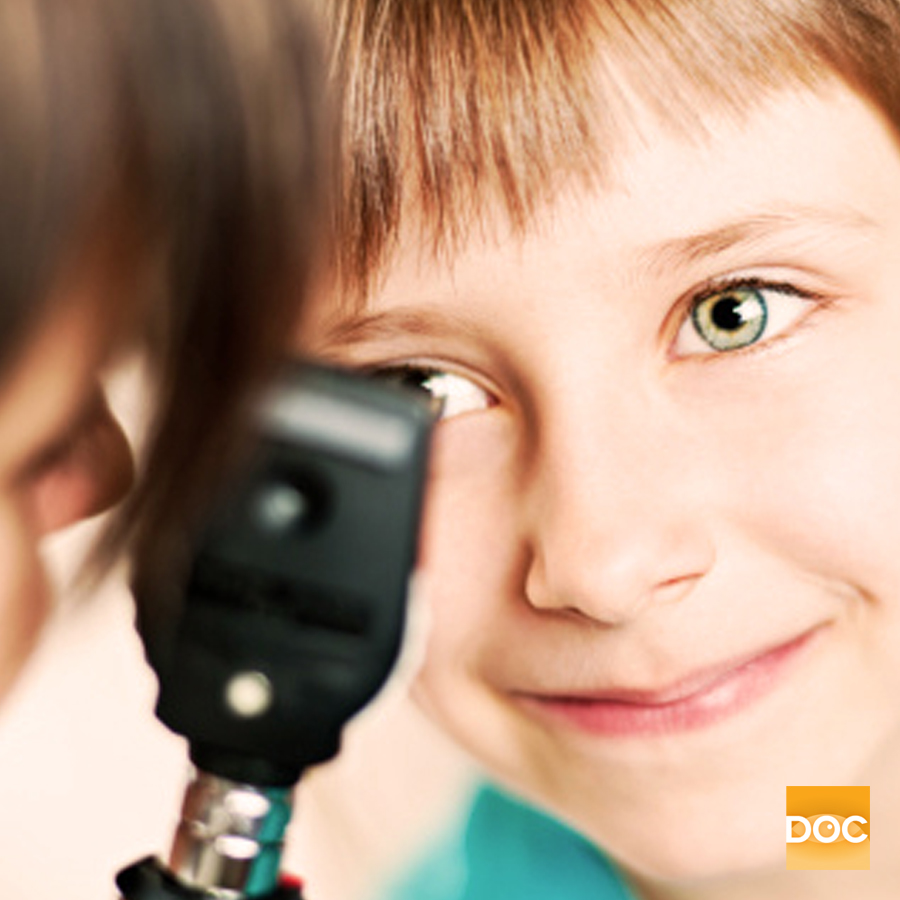

Whether eye dilation during an exam is necessary depends on the reason for your exam, your age, your overall health and your risk of eye diseases. the eye drops used for dilation cause your pupils to widen, allowing in more light and giving your doctor a better view of the back of your eye. Answer: it is generally accepted that to do a complete eye exam, the pupil should be dilated. i tell patients that examining the back of the eye without dilation is like trying to examine a room through a keyhole as opposed to opening the door. Eye dilation may be done as part of a comprehensive eye examination or to look for an acute injury, such as a retinal detachment. no matter the reason for the dilation, it is performed in the same manner. the doctor will input eye drops that work to widen your pupils. how often you need to have your pupils dilated will depend on several factors.

Side effects of dilation. dilating the eyes rarely produces side effects, although your pupils will stay enlarged for 4 to 24 hours after your exam. as long as your eyes remain dilated, your vision will blur (because the parasympathetic nervous system also controls how eyes dilated during eye exam the eye focuses on nearby objects), and you may experience difficulty reading. Often our doctors use dilating drops prior to eye exams. dilating your eyes allows more light into your eyes, giving our doctors a clear look all the way into the back of your eyes. think of dilation as a way of opening a door to see inside a room, instead of trying to look through a peephole. By using special eye drops to dilate your eyes, your optometrist has the ability to see not only the outer surface of the eye, but also through the pupil, to . What happens during the dilated eye exam? the eye dilation procedure is a simple one in which special eye drops are administered that cause your pupils to become larger. this makes it easier for your doctor to see the back of the eye. it takes about 15 to 20 minutes for pupils to fully dilate. the dilating eye drops may cause your eyes to sting.
Dilating eye drops will be placed in your eyes to widen your pupils. this allows the doctor to examine your retina and optic nerve. Whether eye dilation during an exam is necessary depends on the reason for your exam, your age, your overall health and your risk of eye diseases. the eye drops used for dilation cause your pupils to widen, allowing in more light and giving your doctor a better view of the back of your eye. eye dilation assists your doctor in diagnosing common.


0 comments:
Post a Comment